
What Is a Forward Contract? Examining the Differences Between Traditional Forward Contracts and Standard Parallel Forward Securities in Iran’s Capital Market
Forward Contracts: A Modern Tool for Financing and Risk Management in Iran’s Capital Market
In today’s dynamic financial markets, companies are constantly seeking efficient instruments to secure the liquidity they need and manage potential risks. One financial instrument that has attracted increasing attention in Iran’s stock market in recent years is the forward contract.
Traded in Iran in two forms—traditional forward contracts and standard parallel forward securities—this instrument provides a framework for the advance sale of goods and financing for producers. This article examines the nature of forward contracts, the key differences between traditional forward contracts and standard parallel forward securities, their advantages and disadvantages, and the mechanisms governing their transactions.
What Is a Forward Contract? Origins and Definitions
In financial terminology, a forward contract is an agreement under which the seller receives all or part of the purchase price for goods or assets upfront and undertakes to deliver the goods to the buyer on a specified future date at an agreed price.
Practical Example
Consider a steel manufacturer (the issuer) that requires immediate liquidity to finance a new production line. The company can raise funds by issuing forward securities and preselling a portion of its future output, such as steel billets.
Buyers of these securities pay the agreed amount to the issuer upfront and receive the steel billets at maturity under the terms established in advance. This mechanism enables the issuer to obtain the liquidity required for investment and expansion, while allowing buyers to secure goods at a price that may be lower than the prevailing spot price at the time of delivery.
In many countries, forward contracts are conducted over the counter through direct agreements between the parties. In Iran, however, these contracts are offered under specific standards through the Iran Mercantile Exchange and the Iran Energy Exchange, with oversight by the relevant regulatory authorities to support the proper fulfillment of contractual obligations.
Traditional Forward Contracts vs. Standard Parallel Forward Securities: Fundamental Differences
Although both traditional forward contracts and standard parallel forward securities are designed to finance businesses through the advance sale of goods, they differ in several important respects. These differences affect their attractiveness and overall efficiency.
Traditional Forward Contracts: Limitations of a Basic Financial Instrument
A traditional forward contract is the original and basic form of this financial instrument. Its main characteristics include:
Direct Relationship Between the Parties: The transaction involves only two parties: the buyer and the seller (issuer).
Absence of a Secondary Market: One of the principal limitations of a traditional forward contract is the lack of a secondary market for trading the contract. After entering into the agreement, the buyer generally cannot sell or transfer it to a third party before maturity.
Limited Liquidity: Because there is no secondary market, these contracts offer limited liquidity. Both parties may remain exposed to changes in the market price of the underlying commodity until maturity.
Limited Transferability: The buyer may wish to exit the transaction due to changing requirements or market conditions but may have no practical mechanism for transferring the contractual position to another party.
Standard Parallel Forward Securities: An Enhanced Instrument with Greater Liquidity
Standard parallel forward securities were developed to address the limitations of traditional forward contracts and improve the efficiency of this financing instrument in the capital market.
Their key features include:
1. Access to a Secondary Market
The most significant
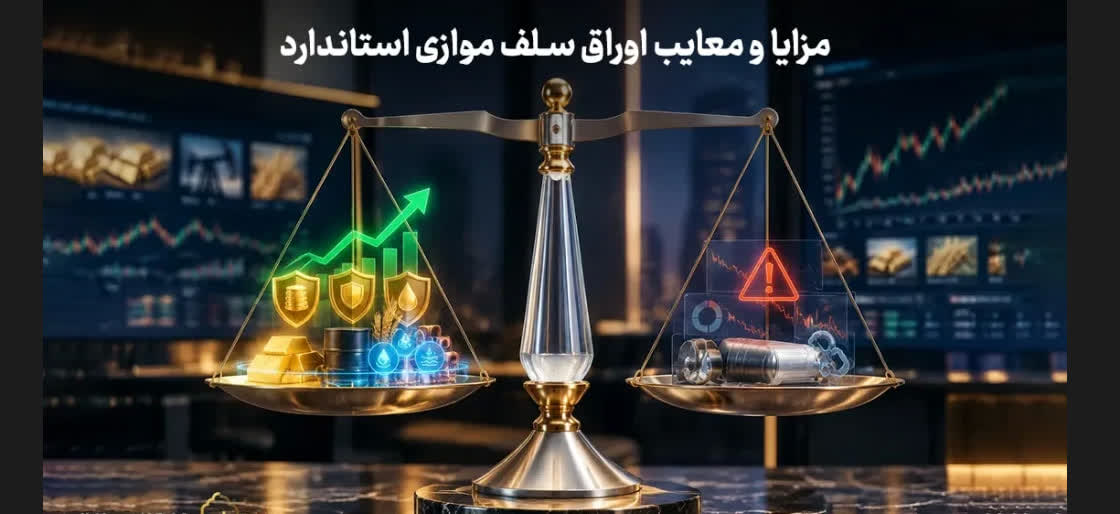
Advantages and Disadvantages of Standard Parallel Forward Securities
Despite their many advantages, standard parallel forward securities also have certain drawbacks and limitations, which are discussed in detail below.
Advantages of Standard Parallel Forward Securities
Effective Financing for Companies: These securities provide a reliable source of liquidity for companies seeking to invest in production lines, finance projects, and expand their business operations.
Price Risk Management: The embedded derivative option mechanism significantly reduces the risks associated with sharp fluctuations in the price of the underlying asset for both buyers and sellers.
High Liquidity: The availability of a secondary market, combined with market-maker purchase commitments, makes these securities an attractive option for investors seeking to maintain access to their funds.
Guaranteed Minimum Return: Investors benefit from a predetermined minimum return, subject to the terms and conditions of the offering, helping reduce investment risk.
Price Transparency: Real-time price discovery in the secondary market enhances transparency in trading activities.
Disadvantages and Limitations of Standard Parallel Forward Securities
Complex Structure: Understanding the mechanisms of embedded options and the calculation of returns requires financial knowledge and analytical skills.
Limited Maximum Returns: These securities may be less attractive to investors seeking substantial gains from sharp increases in the price of the underlying asset, as additional returns may be limited under the contractual terms.
Issuer Default Risk: Although the exchange and market maker may help mitigate certain risks, the possibility that the issuer will fail to fulfill its obligations remains.
Transaction Costs: Like other securities, trading these instruments involves transaction fees and other associated costs.
Conclusion: Standard Parallel Forward Securities as a Powerful Financing Instrument in the Capital Market
Forward contracts, particularly in the form of standard parallel forward securities, play a vital role in providing sustainable financing for companies and managing risks associated with price volatility in Iran’s commodity markets.
By addressing some of the limitations of traditional forward contracts, including the lack of a secondary market and limited liquidity, these securities offer a more flexible and efficient framework for producers and investors.
The innovative use of embedded options can provide investors with a predetermined minimum return while helping issuers manage price-related risks. Overall, the development and appropriate use of these instruments can contribute significantly to balancing the interests of both parties, reducing risk, and enhancing the attractiveness of investment opportunities in Iran’s capital market.
Frequently Asked Questions (FAQ)
What is the main difference between a traditional forward contract and a standard parallel forward contract?
The main difference is the availability of a secondary market for standard parallel forward securities. This allows investors to buy and sell the securities before maturity, providing greater liquidity. Traditional forward contracts generally do not have such a secondary market.
Does investing in standard parallel forward securities carry the risk of losing the principal investment?
The primary risk is issuer default, which may result in the issuer failing to fulfill its contractual obligations. However, market-making arrangements and minimum-return protection through a put option can significantly reduce certain investment risks, subject to the specific terms of the offering. These mechanisms do not necessarily eliminate the risk of losing the principal.
Who benefits most from standard parallel forward securities?
These securities can benefit both manufacturing companies and investors. Companies can use them as a financing instrument to support their operations and expansion, while investors may gain access to an investment opportunity offering a predetermined minimum return and secondary-market liquidity, subject to the applicable contractual terms.